Metal Foil as a Material in Medical Technology – Requirements & Standards
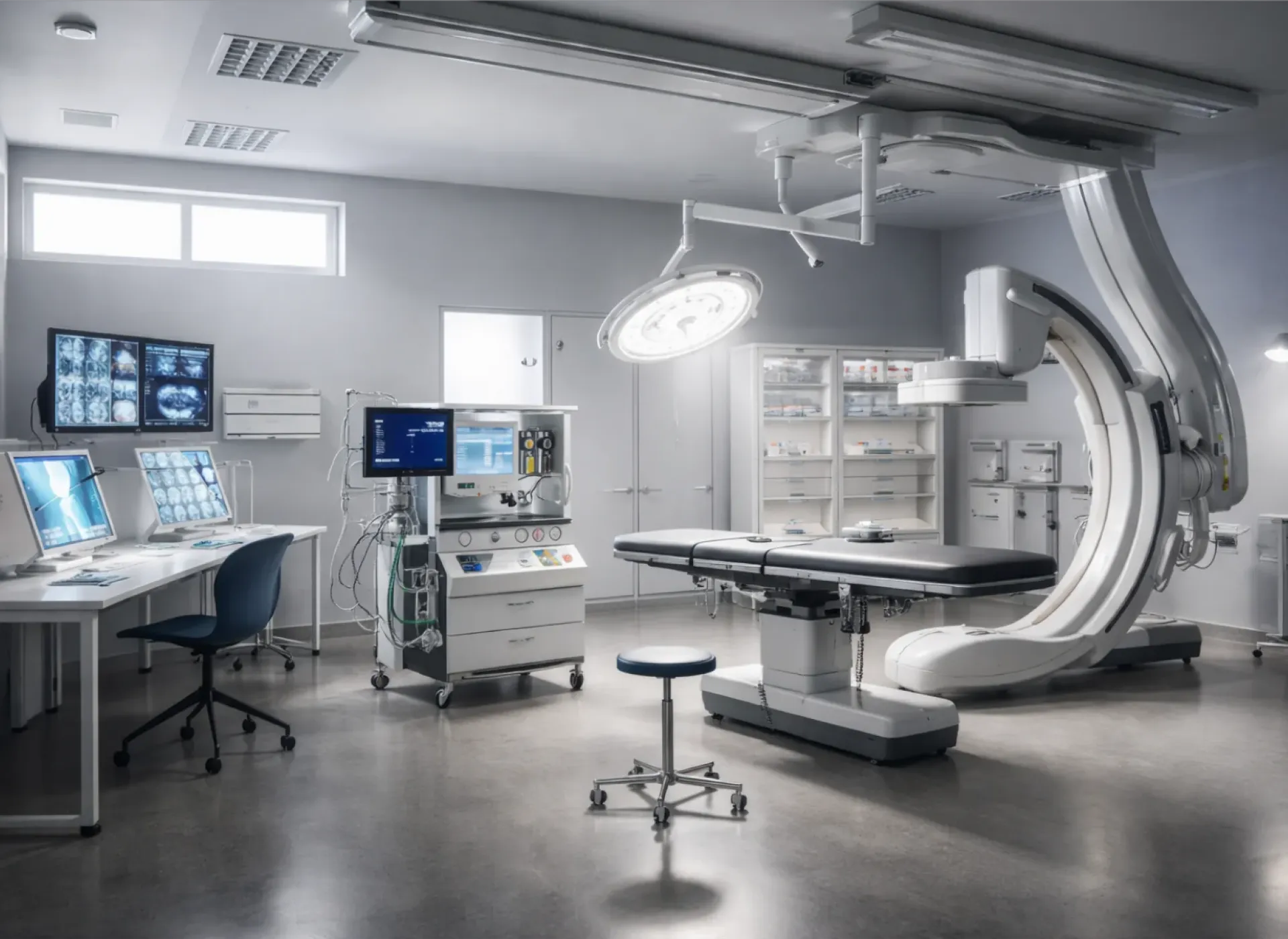
Medical technology is one of the most demanding fields of application for materials. Components and materials used in diagnostic devices, therapeutic systems, or emergency care must meet the highest standards of safety, reliability, and reproducibility. In this environment, metal foils play an important, often invisible role. As functional components, they perform tasks related to electrical conductivity, shielding, contacting, or energy transfer.
EppsteinFOILS manufactures precisely rolled metal foils—particularly tin and lead foils—specifically designed for use in medical technology applications. The focus is on material purity, controlled properties, and compliance with regulatory standards.
Biocompatibility and Material Safety
In medical technology, biocompatibility is a key criterion. Materials must not cause harmful interactions with the human body and must remain safe even in cases of indirect contact. For this reason, metal foils are generally not used as freely exposed materials, but as functional layers within encapsulated or laminated systems.
Tin foil offers favorable characteristics in this regard. It is chemically stable, well controlled in its composition, and can be precisely integrated into composite systems. In diagnostic and therapeutic devices, it is often used as a conductive functional layer or contact material without direct contact with the patient. A reproducible material quality with uniform thickness and a defined surface is essential.
Regulatory Requirements: RoHS, SVHC, and Material Compliance
Medical technology products are subject to strict regulatory requirements. These include, among others, the RoHS Directive and the evaluation of substances of very high concern (SVHC) under the REACH Regulation. Even though certain medical applications may allow exemptions, device manufacturers expect transparent and traceable material declarations from their suppliers.
EppsteinFOILS ensures that the composition of its metal foils is documented and traceable. This supports integration into qualified supply chains and assists manufacturers in preparing technical documentation and declarations of conformity. Precise process control ensures reproducible foil properties—an essential requirement for regulated markets.
ISO Standards and Quality Requirements
In addition to legal regulations, international standards play a decisive role. In medical technology, ISO-based quality management systems are particularly relevant in the development, manufacturing, and validation of components. Metal foils must therefore be not only technically suitable, but also produced under controlled conditions.
Manufacturing at EppsteinFOILS is designed to ensure consistent quality, documented process parameters, and tight tolerances. Thickness accuracy, flatness, and surface quality are continuously monitored to ensure reliable use in downstream medical technology manufacturing processes.
Typical Applications in Diagnostics and Medical Technology
Metal foils are used in a wide range of medical technology applications. In diagnostics, they serve as conductive elements in sensors, measuring electrodes, or shielding components. Their uniform conductivity and defined geometry enable precise measurements and stable signal transmission.
Metal foils also perform functional roles in imaging technologies or X-ray systems, for example as shielding or reinforcement layers. In these applications, not only material purity but also precise thickness is critical to ensure reproducible results.
Emergency Care and Therapeutic Systems
In emergency medicine—such as defibrillators or monitoring systems—metal foils are used as conductive contact and connection elements. They must safely withstand high current loads, mechanical stress, and changing environmental conditions. Thanks to its good conductivity, ductility, and solderability, tin foil is particularly well suited for these applications.
Precise rolling ensures consistent performance even at minimal material thickness. At the same time, the foils can be cut, laminated, or integrated into assemblies without compromising their functional properties.
Precision Metal Foils for Regulated Applications
Metal foils are indispensable functional materials in medical technology. Their applications range from diagnostics and imaging to emergency care. Successful implementation depends on controlled material properties, standards-compliant manufacturing, and high process reliability.
With precisely manufactured metal foils, EppsteinFOILS provides a reliable foundation for medical technology applications where quality, safety, and regulatory compliance are paramount.